

Use the typed .NET 11 DNS APIs to resolve SRV, MX, and TXT records with cancellation, response-code handling, TTL-aware caching, and custom DNS servers.

Use the typed .NET 11 DNS APIs to resolve SRV, MX, and TXT records with cancellation, response-code handling, TTL-aware caching, and custom DNS servers.
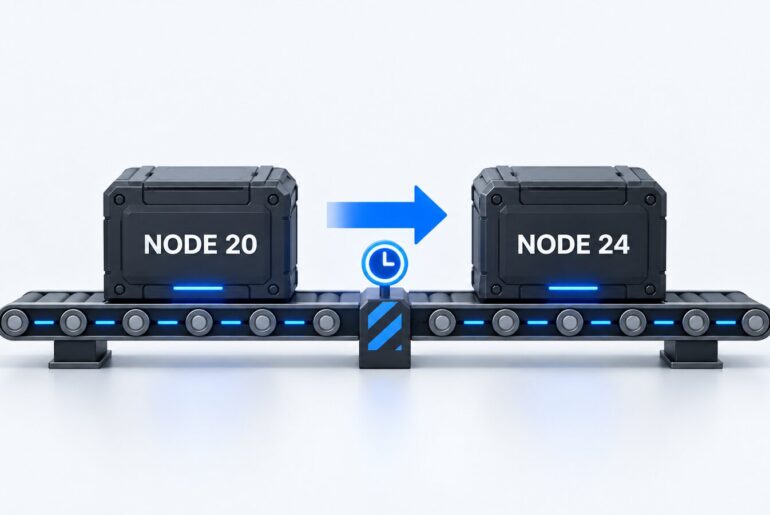
Audit JavaScript actions used by your .NET CI, force Node.js 24 across the workflow graph, and clear self-hosted runner blockers before September 23.

Enable built-in .NET 11 MemoryCache metrics, export cache hits, misses, evictions, entries, and estimated size through OpenTelemetry, and avoid misleading dashboards.

Use .NET 11 TryParsePartial to build a strict, allocation-conscious delimited number parser that rejects malformed boundaries and reports useful failures.

Fix BL0012 through BL0016 with production-focused component patterns, narrow suppressions, CI enforcement, and behavior checks for rendering, authentication, closures, and JavaScript interop.
Audit the .NET 11 ChangeToken.OnChange async rebind, contain callback faults, preserve last-known-good settings, and verify coalesced reloads safely.
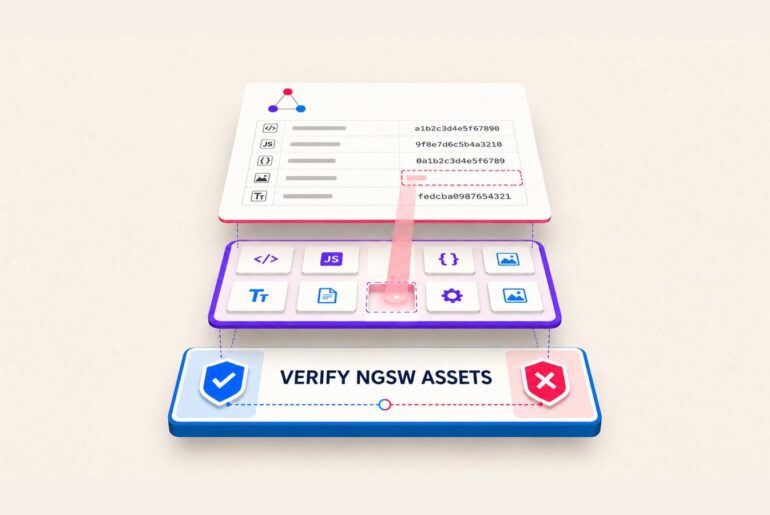
Add a post-build CI guard that verifies every local file referenced by Angular’s generated service-worker manifest across SSR and localized browser artifacts.

Use the new .NET 11 compressed HttpContent wrappers with ASP.NET Core request decompression, explicit capability contracts, size limits, and end-to-end verification.
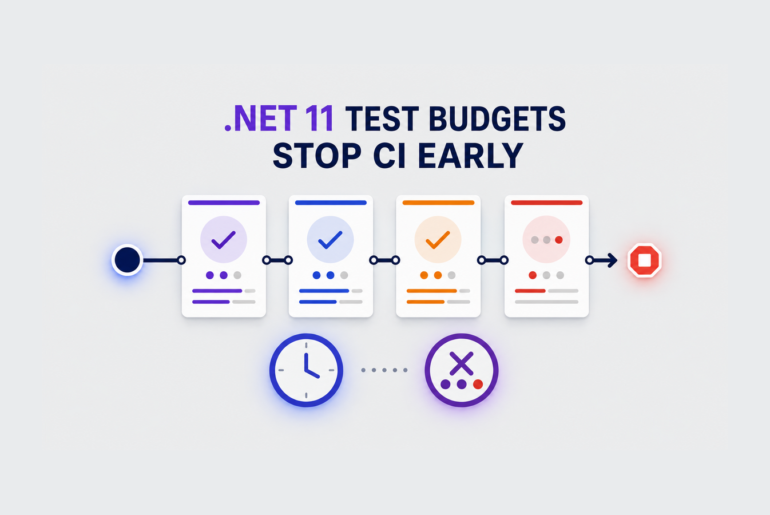
Use .NET 11 run-level timeout and maximum-failed-tests policies with Microsoft Testing Platform to bound multi-project CI time, noise, and failure cost.

Use Blazor CacheView safely by choosing the correct vary-by dimensions, isolating per-request components, and testing that authenticated HTML never crosses user boundaries.

We have detected that you are using extensions to block ads. Please support us by disabling these ads blocker.
