

Detect when .NET GeneratedRegex declarations silently share the wrong culture, contain the risk, and keep a culture matrix in CI until the runtime fix is proven.
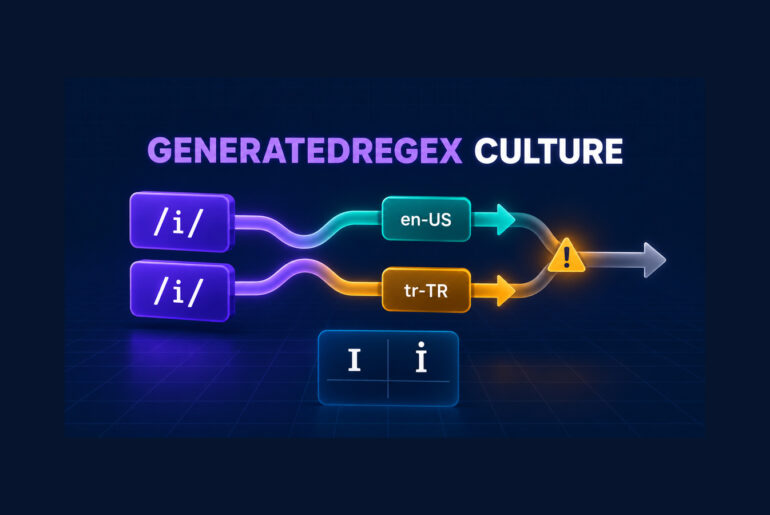
Detect when .NET GeneratedRegex declarations silently share the wrong culture, contain the risk, and keep a culture matrix in CI until the runtime fix is proven.
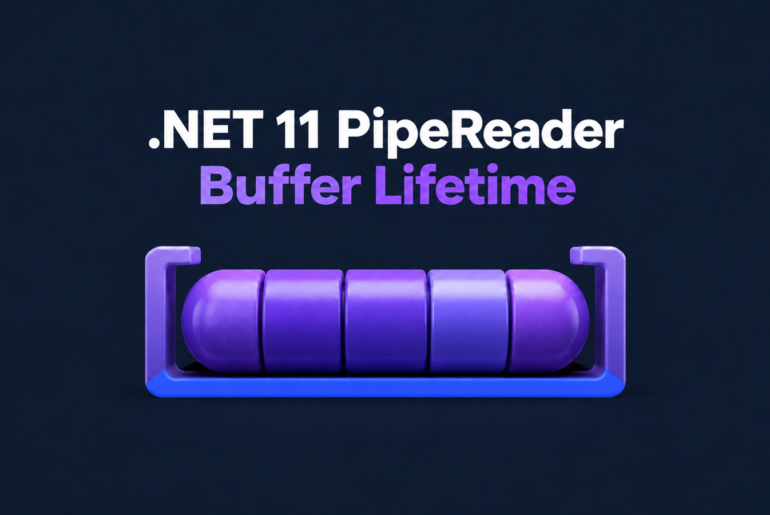
Use the .NET 11 sequence-to-stream adapter without releasing PipeReader buffers too early, with a tested ownership proof and an owning-copy alternative.
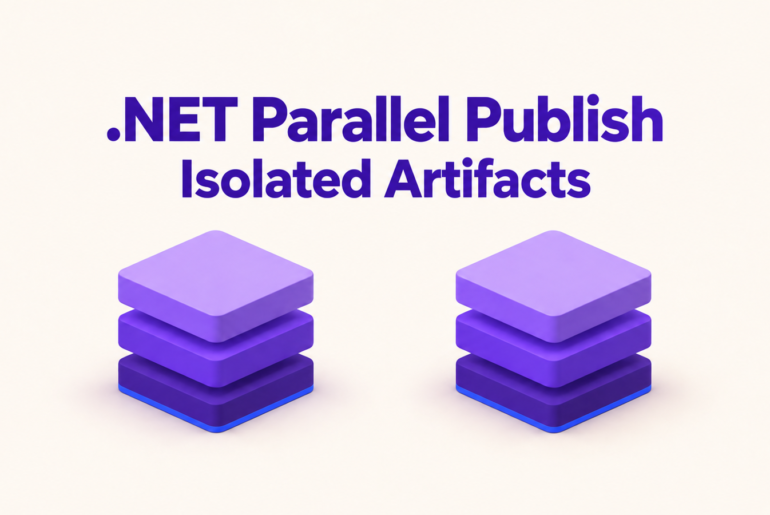
Give concurrent .NET publish jobs separate intermediate artifact roots, then verify each service ships its own shared-library build with a runnable two-service proof.
Compare Agent Framework 1.21.0 and 1.22.0 with actual tool callback counts, normal-call controls and deliberate shared-tool contamination.
Validate every ZIP entry before saving imported records, then verify that corruption preserves the existing state with a pinned .NET 11 reproduction.
Reuse .NET 11 GZip, ZLib, and Deflate codecs across independent payloads with Reset, strict completion checks, output limits, and safe ownership.
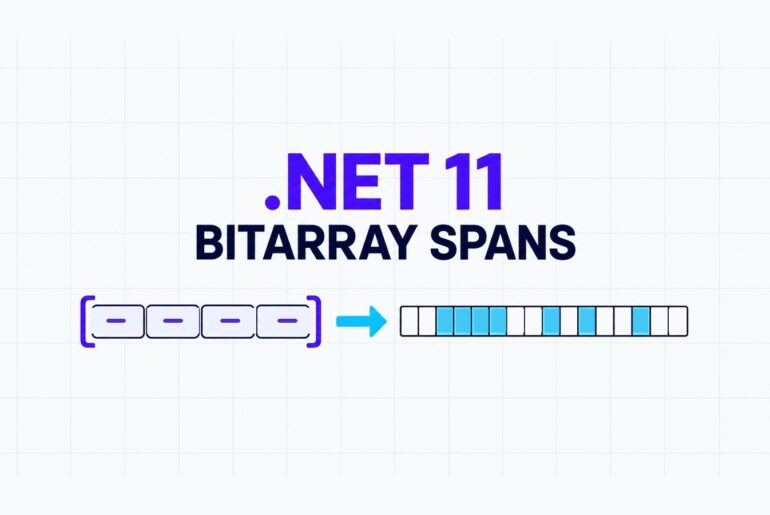
Use .NET 11 BitArray span constructors to remove temporary parser arrays while preserving bit ordering, parity, compatibility, and rollback checks.
Use .NET 11 AES Key Wrap for RFC 3394 interoperability, enforce key-size and integrity checks, and design KEK rotation before production.
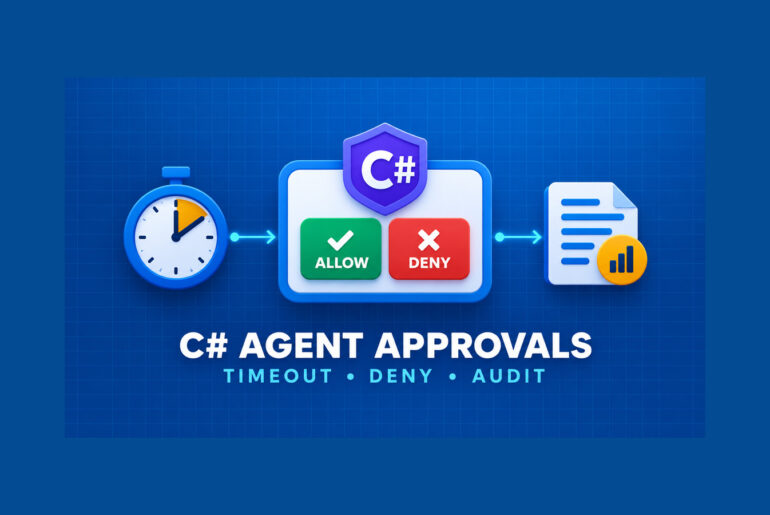
Build fail-closed C# agent tool approvals with bounded waits, sticky denial, audit evidence, and tests for Microsoft Agent Framework.
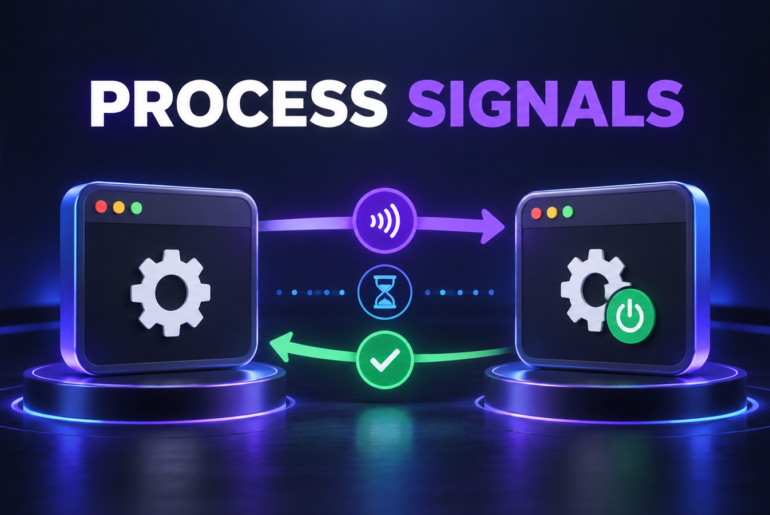
Use the new .NET 11 Process signal and exit-status APIs to request graceful child shutdown, enforce a bounded wait, and preserve the real termination cause.

We have detected that you are using extensions to block ads. Please support us by disabling these ads blocker.
